


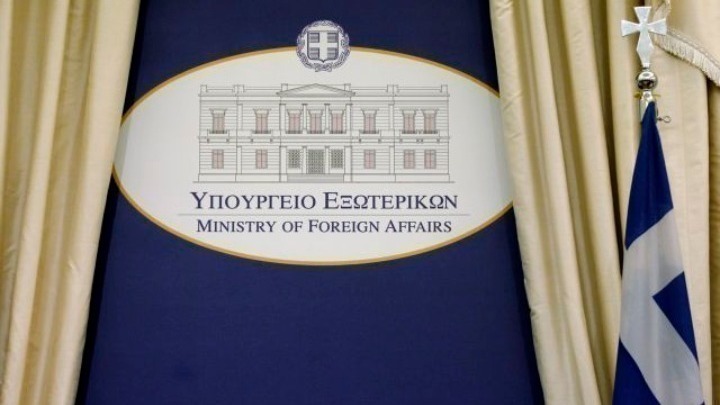
“Greece remains consistent in its principled foreign policy and from the first moment of the crisis in the Middle East maintained a balanced stance, respecting the principles and values of international law, as a force of stability in the wider region, highlighting the obligation to protect civilians and create humanitarian routes,” diplomatic sources noted.
The same sources pointed out that “for this reason, it abstained from voting on the approval of a related draft resolution of Arab countries within the framework of the United Nations.”
Regarding the vote, diplomatic sources outlined the following:
1. Abstention in the context of the UN is in no way equivalent to a vote against. On the contrary, it is creative, in the sense that the country is not counted among those present, thus facilitating the achievement of a qualified two-thirds majority.
2. Greece joined the majority of European Union countries: 15 countries abstained against 8 who voted in favor and 4 who voted against.
3. Greece was creative by proposing at the stage of the internal procedures some specific interventions, which could have facilitated the wider majority.
4. Greece voted in favor of Canada’s amendment for the explicit condemnation of the terrorist acts by Hamas, the adoption of which would allow the passing of the resolution by all countries. Eventually, although voted by the majority, it did not gather the required two-thirds majority (88 in favor and 55 against).